About Our Syllabus
Our syllabus is a mixture of traditional Ninjutsu adapted to meet the modern world — with Ballroom & Latin American Dance, language exchange, and a touch of self-oneself. We practise a Kata Form called Kata Dante.
We train in hand-to-hand combat techniques implementing pressure points and joint manipulation. We dabble in grappling and ground work focusing on basics, and drill through a number of takedown and throw techniques.
We train with our weapons to become an extension of our bodies. Click below to find the right class for you.
Divine Dragon Ninjutsu — Younglings (Ages 3–6)
Our structured syllabus enhances key developmental areas including gross motor skills, cognitive function, active listening, and coordination. Using animal-based associations, we introduce our core stances in a way that is intuitive and fun for young students.
Lesson Aims
Students will better identify human anatomy, recognise shapes, and communicate their thoughts effectively.
Challenge 1: Short attention span — a student may become distracted or fiddle with clothing/objects.
Challenge 2: Uncontrolled movement — young children may struggle with excitement, shoving or striking too hard.
Challenge 3: Shyness — students may cling to a parent or refuse to join the circle.
Lesson Outcomes
Students will have improved gross motor and listening skills and practised the Tiger/Fire stance (aggressive).
Solution 1: Use the Freeze Command — a whistle, loud clap, or drum. Vary speeds. Focus checks where students lock eyes on the instructor for 10 seconds.
Solution 2: Implement the "Two-Finger Touch" Rule — Ninja Precision. If too rough, student performs a 30-second meditation time-out.
Solution 3: Use Choral Response and Peer Leaders. Pair shy students with a senior student partner.
Lesson Plan
min
Sensei Says
Instructor uses "Sensei says" to prompt the action — students only move when those words are said.
Aim: Encourage participation, co-operation, and listening focus.
min
Ninja Running Bulls
Students catch "the bull's tail" while the bull tries to reach safety.
Aim: Social interaction, cardio growth, reflexes & agility.
min
Hydration & Reset
Sit in a circle, identify shapes/colours in the dojo, and review ninja rules.
min
Mirror Tiger Clap
Demonstrate the Tiger/Fire stance and strike ×5, then class copies, then pairs practise together.
Aim: Learn an aggressive stance and how to strike back.
min
Palm Heel Ninja Ball
Instructor throws the ball, counting 1–10; the targeted student strikes it with a palm heel.
Aim: Reflexes, hand-eye co-ordination, palm heel strikes.
min
Stuck in the Mud
If caught, freeze in Tiger stance — peers can rescue by crawling through their legs.
Aim: Agility, co-ordination, and a calm emotional reset.
Divine Dragon Ninjutsu — Guardians (Ages 7–16)
Our syllabus fosters self-love and respect for life — nurturing the "guardian" within each student. We step out of the game environment and begin developing skills with more intentful purpose. Students at this level are bound by Clan Discipline Points to encourage supportive and helpful behaviour.
Note: At this level our curriculum excludes all neck or head manipulation. Lessons are one hour in duration.
Lesson Aims
Master the full 20 steps of Kata Dante and understand the functional utility of Tiger, Grasshopper, Praying Mantis & Butterfly stances.
Challenge 1: Balance issues during Grasshopper stance steps.
Challenge 2: Remembering the timeline in Kata Dante (Steps 14–19).
Challenge 3: Confusion between the mirror deflections (Steps 2–3) — the high/low hands of the Praying Mantis stance.
Lesson Outcomes
Students will perform Kata Dante with 80% technical accuracy and demonstrate correct footwork for each animal stance.
Solution 1: Focus on keeping the centre of gravity low during balance techniques.
Solution 2: Slow-motion repetition of the jump-cut and blood taste mechanisms.
Solution 3: Press or Protect drill — instructor calls "Top" or "Bot" during a strike. Students instantly freeze in the correct position.
Lesson Plan
min
Battle Royale
Students move continuously with atemi pressed, chasing one another and catching with their legs. If caught, count to 10.
Aim: Excite students and engage core muscles.
min
Cardio Blasters
High knees · Mountain climbers · Shadow box turns · Kiwi — 30s each, ×3 rounds.
Aim: High-intensity cardio workout.
min
Hydration & Reset
Full-body hydration and mind reset.
min
Gate of Opening
Mirror deflection + eye rake, pull-offs left/right, latch right arm, Eagle Claw high/low, horizontal release (Kiu).
Aim: Tiger stance footwork and transition into strikes.
min
Gate of Healing
Knee to solar plexus, reverse vertical elbow, press face down, knife bridge/edge sequence.
Aim: Ground transition, blending/control lever stance, pressure strikes.
min
Gate of Life
Jump-cuts/chop, grab back of head, smash head on ground, turn opponent, drop knee.
Aim: Jump-cut mechanism, chopping skills, body manipulation.
min
Gate of Pain
Slap palms to face, pivot to solar stance, palm heel to nose, fist sequence, Tiger stance drill.
Aim: Respect, pressure and static strikes with partner.
min
Hydration & Reset
Full-body hydration and mind reset.
min
Kata Dante Completion
Guide students through the full Kata, counting each step. Perform individually, then as a class.
Aim: Bring all steps together.
min
Stance Drills
Transitions between Horse/Quality & Butterfly/Void. Pair defence drills. Single line strike-and-defend.
Aim: Improve stance flow and avoiding incoming attacks.
min
Shidai Tag
Call out formation stances: Honor/Earth · Tiger/Vine · Grasshopper/Visitor · Praying Mantis/Blind.
Aim: Cool-down and revision.
min
Mantra & Conduct Recital
Stand in formation Ichi. Senior student bows. Recite the code of conduct and mantra ×3.
Aim: Etiquette and discipline.
Divine Dragon Ninjutsu — Warriors (Ages 17+)
Games at this level serve social interaction and entertainment rather than structured learning. There are no exclusions regarding pressure points or joint manipulation.
A typical lesson structure is outlined below.
Lesson Aims
Weapon Fluidity: Develop natural control of the training blade — transitioning between Aggressive, Calculated, and Icepick grips.
Blade Utility: Shift focus from striking to using the knife as a tool for parrying, hooking, and maintaining leverage.
Weapon-Integrated Grappling: Perform takedowns while prioritising weapon retention and edge awareness.
Tactical Movement: Move off the line of attack while applying distracting strikes (atemi).
Lesson Outcomes
Multi-Grip Utility: Switch between at least 3 distinct knife grips and explain their defensive use.
Deflection on Impact: Demonstrate redirecting high and low attacks without losing balance.
Integrated Takedowns: Execute Back Leg Drop, Hog Trip, and Front Leg Drop while keeping the blade controlled.
Safe Falling: Demonstrate correct Front, Side, or Back Break-falls.
Challenges & Solutions
| Challenge | Solution |
|---|---|
| Disparity in height, strength & focus during weapon defence drills — risk of accidental injury. | Use age-appropriate training tools. Pair students by size and maturity level where possible. |
| Loss of weapon retention — students often drop the training knife when transitioning to a takedown. | Incorporate Grip Checks throughout the lesson. After every takedown, student must show the knife to the instructor. |
| Overzealous students may accidentally injure classmates. | Wear protective gear where necessary (helmet, safety goggles). |
Break Fall reference: Google Drive Link
Lesson Plan
min
Exercise Circuit
Shadow boxing with shuffling, butt kicks, star jumps, plank leg raises, mountain climbers, bicycle, then Statue Tag or Ninja Hands.
Aim: Improve cardio & core conditioning.
min
Safety Falls
Students fall into formation Ichi for break fall drills, knife held in the other hand. 45° head tucked in — review video reference.
Aim: Revise and practise falling safely.
min
Hydration & Reset
Sit in formation Ni (two lines). Drink water.
min
Ninja Step Ladder
Demonstrate technique without weapon, then with weapon (lethal/non-lethal), then pair-up practice on both sides.
Aim: Subdue opponent and grow comfortable with the blade.
min
Hog Trip
Demonstrate technique without weapon, then with weapon (lethal/non-lethal), then pair-up practice on both sides.
Aim: Subdue opponent and grow comfortable with the blade.
min
Front Leg Drop
Demonstrate technique without weapon, then with weapon (lethal/non-lethal), then pair-up practice on both sides.
Aim: Subdue opponent and grow comfortable with the blade.
min
Hydration & Reset
Sit in formation Chi (two lines). Drink water.
min
Tactical Draw Takedowns
Two students walk toward each other. Aggressor threatens 3 times and throws — by the 3rd strike, defender must execute a takedown using the knife.
Aim: Practise takedowns from a draw position.
min
Kata Dante & Mantra
Formation Ni. Count for Kata Dante. Recite mantra with students. Dismiss class.
Aim: Improve discipline.
Path of the Divine Dragon
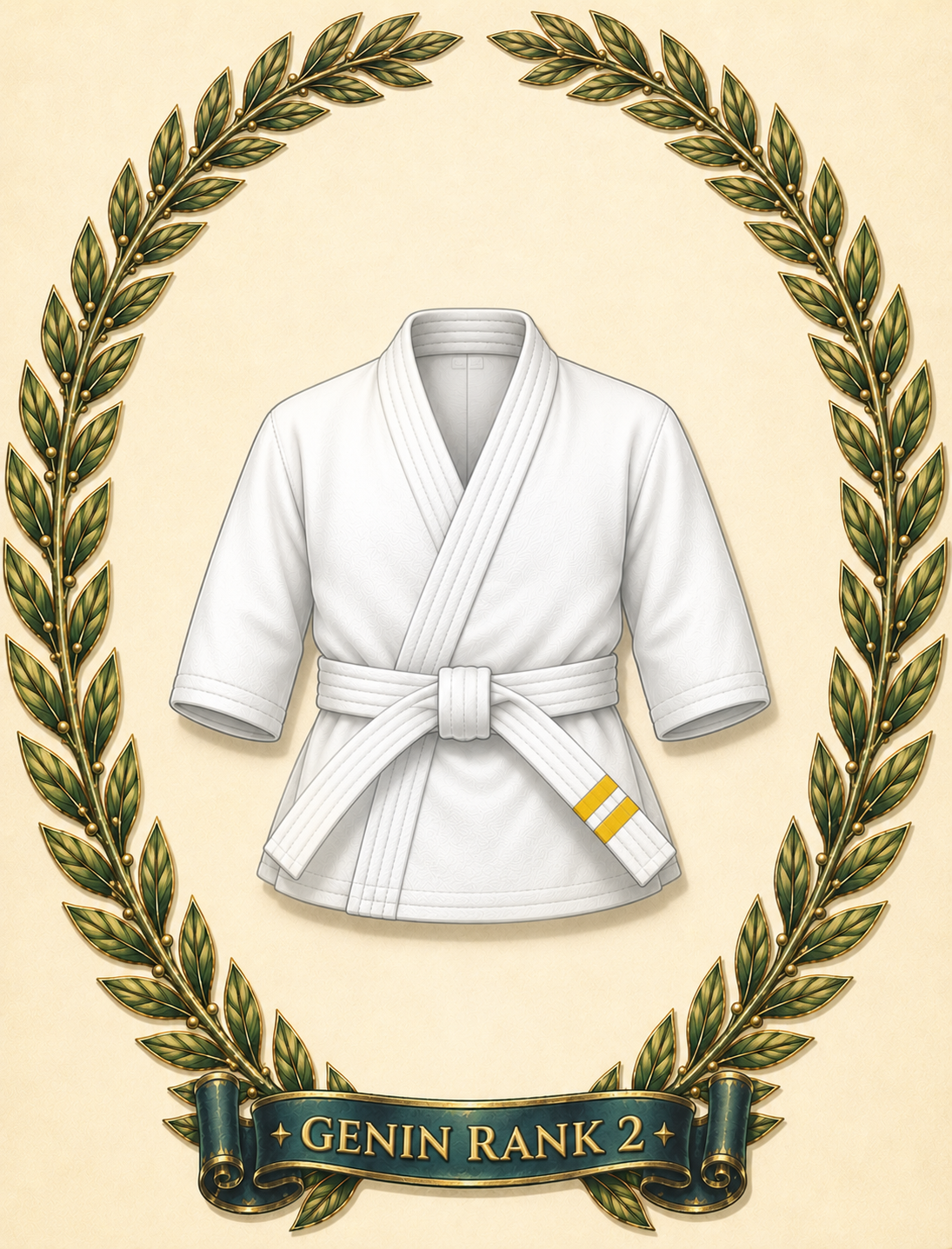
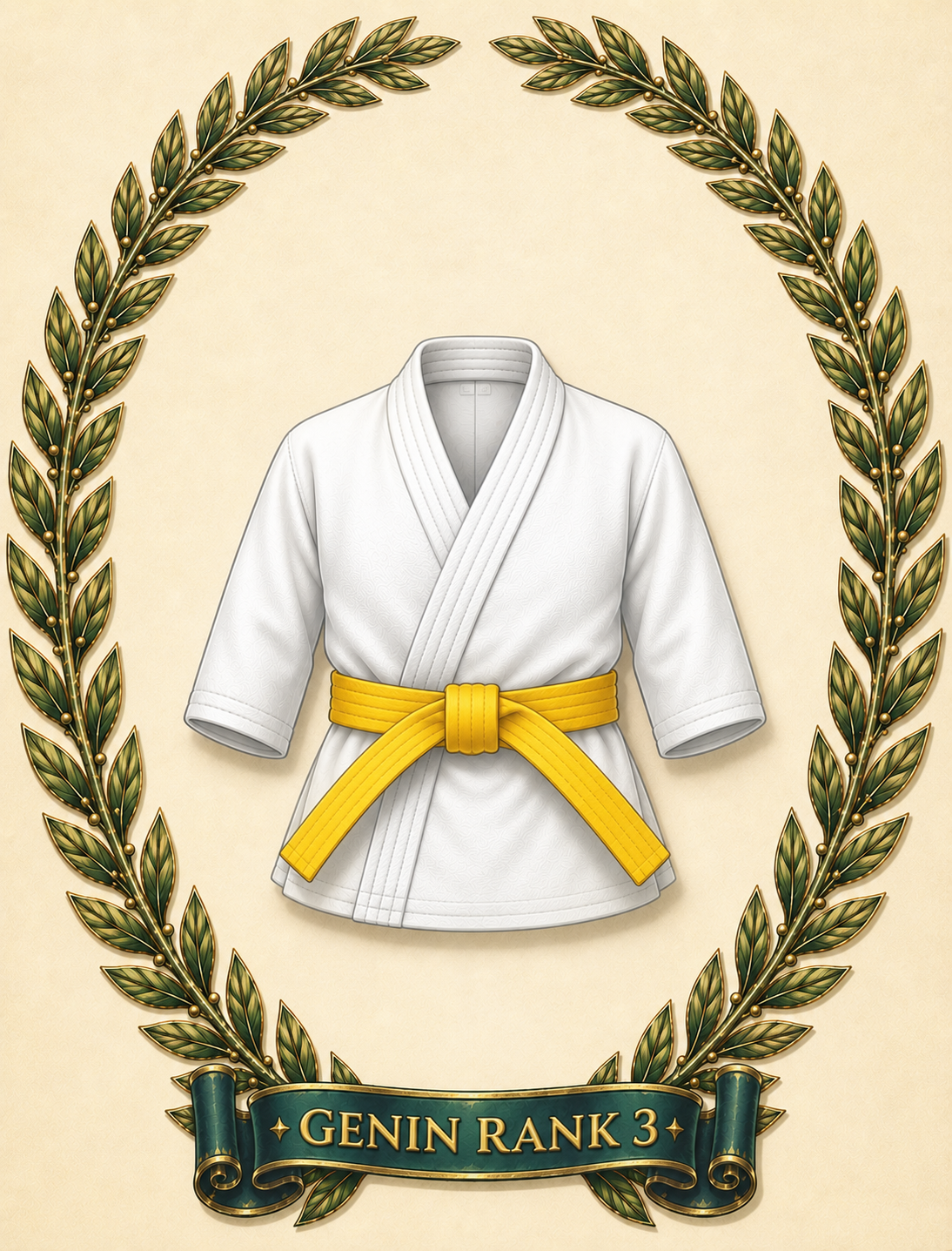
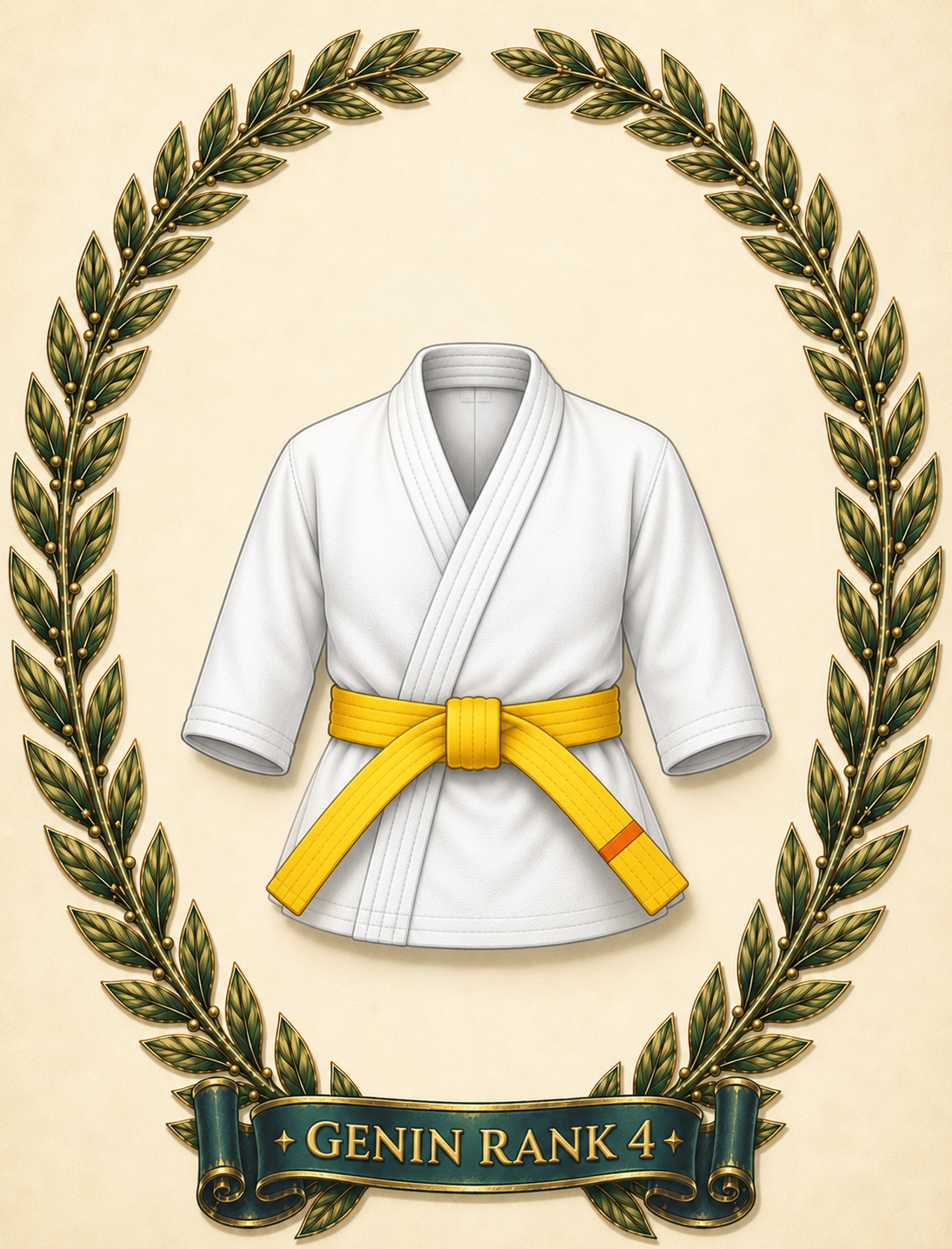
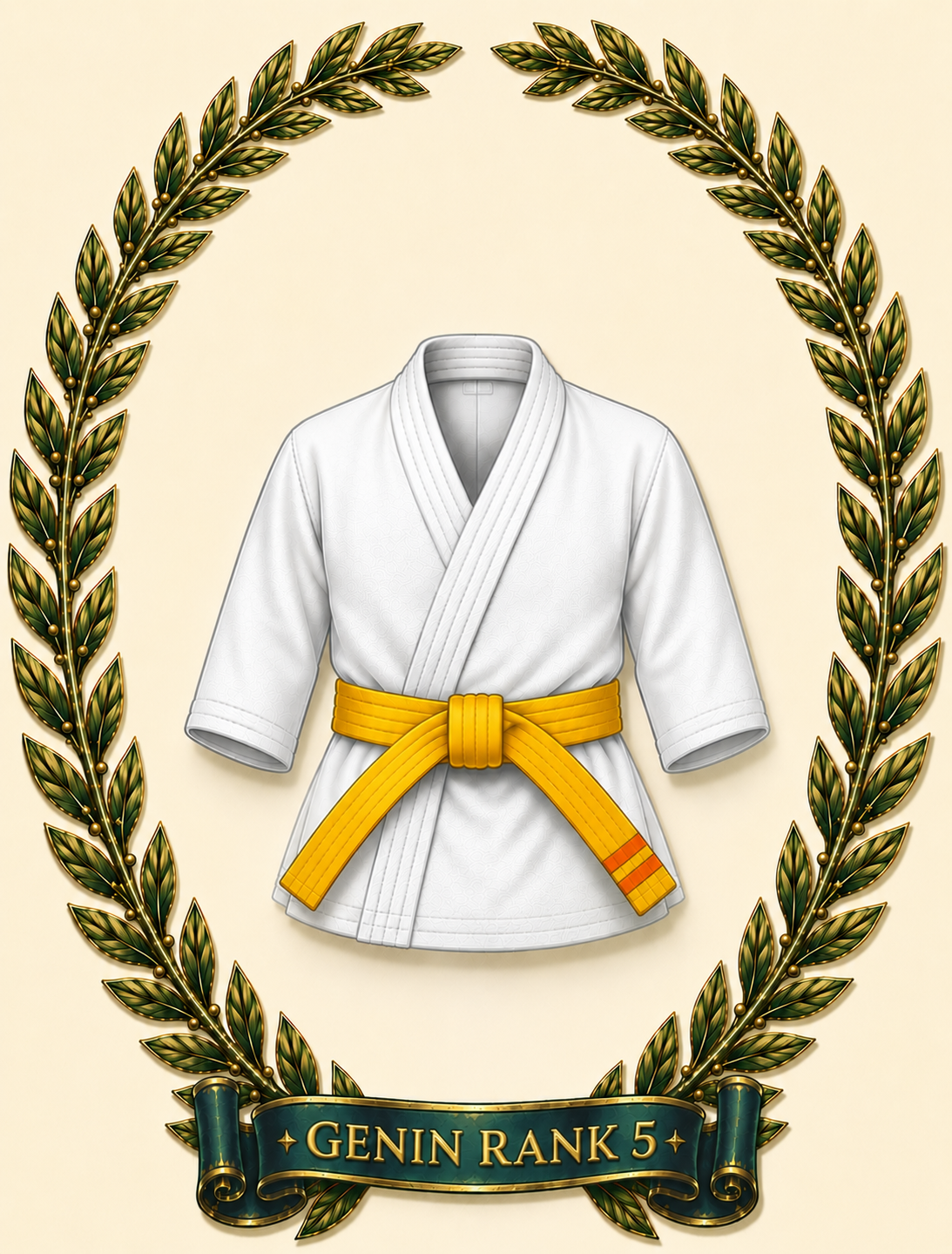
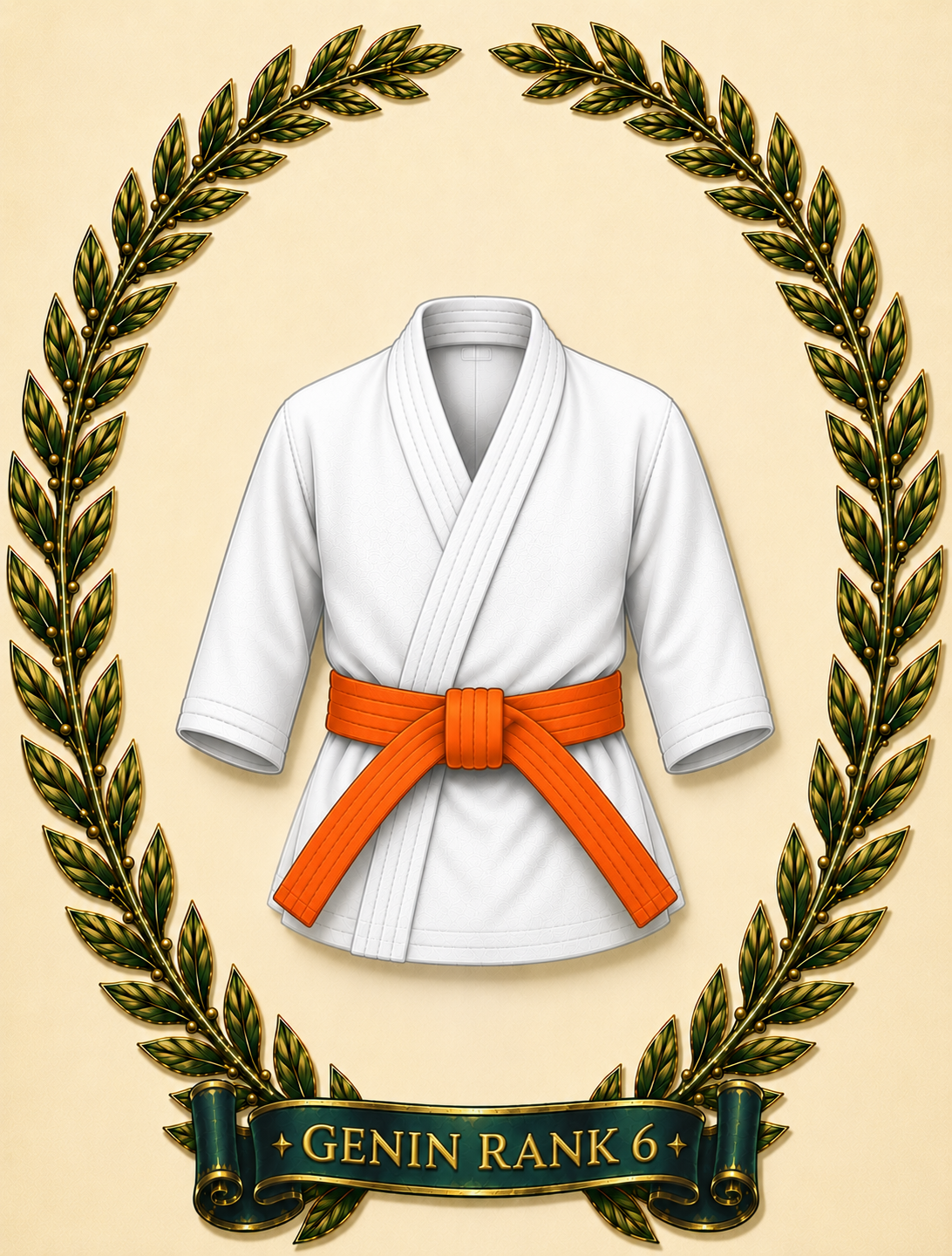
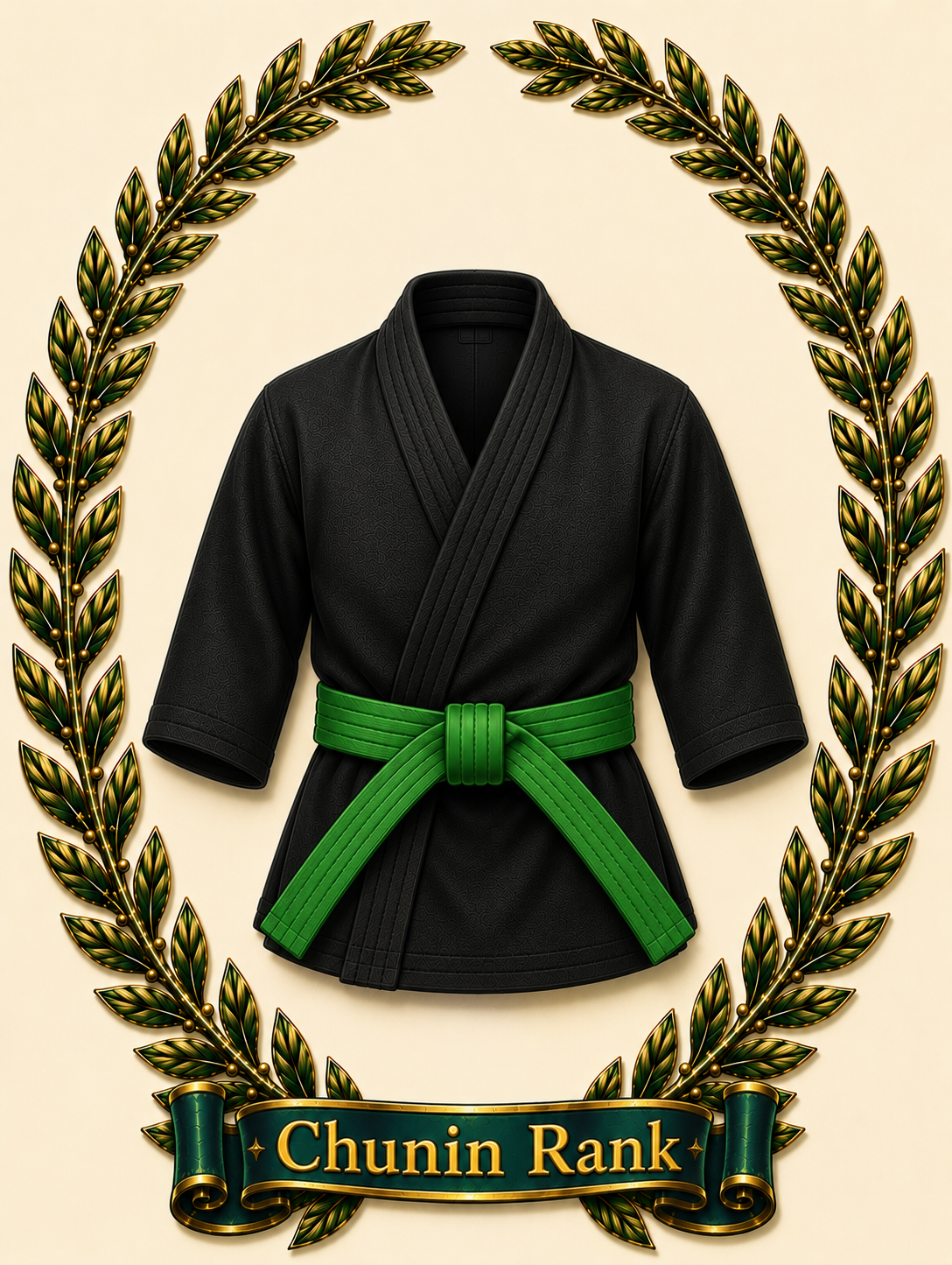
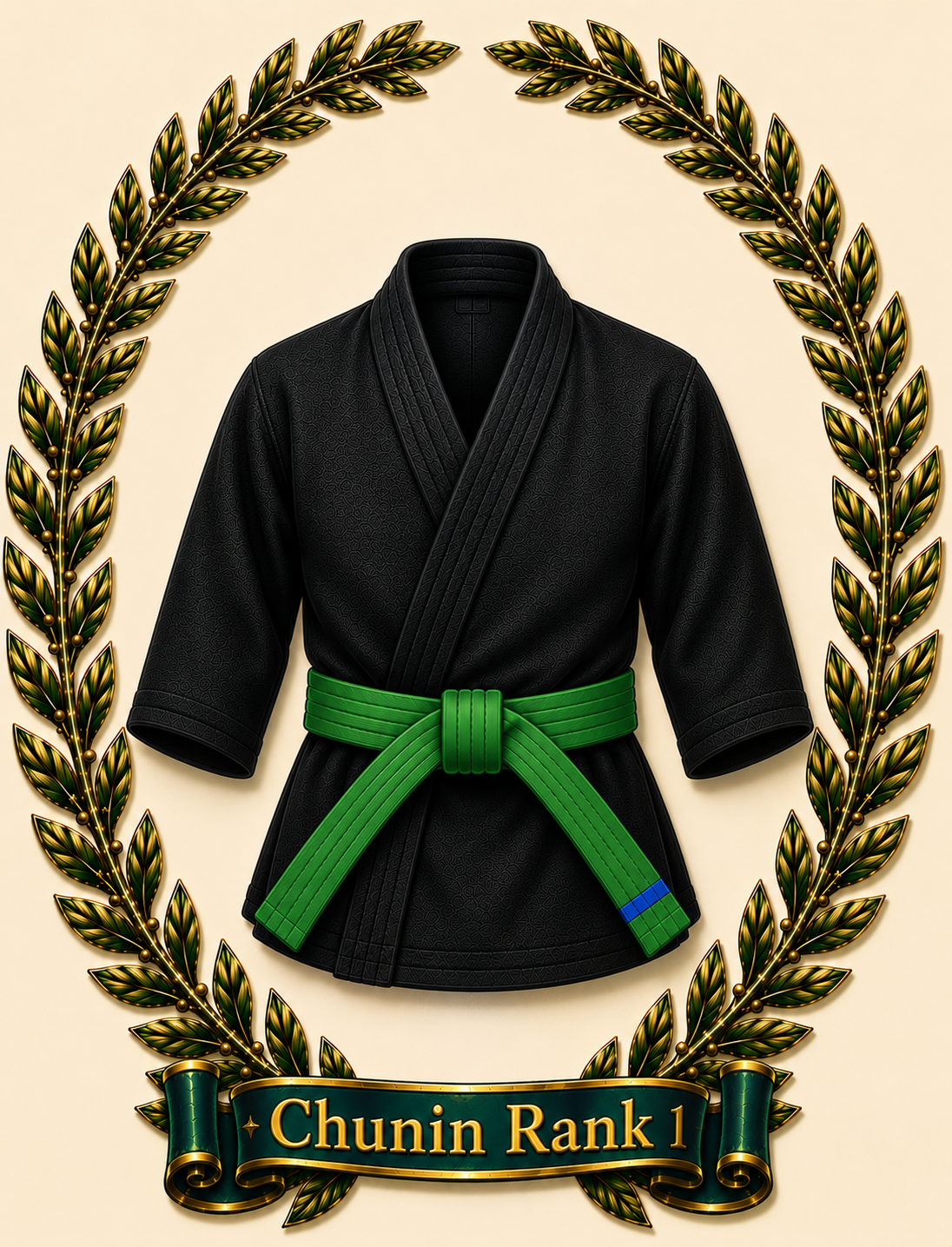
At Divine Dragon ninjutsu we primarly have 3 different ranks inspired by the popular anime "Naruto" our ranks are as follows;
Genin - The begining rank where students are introduced to their journey.
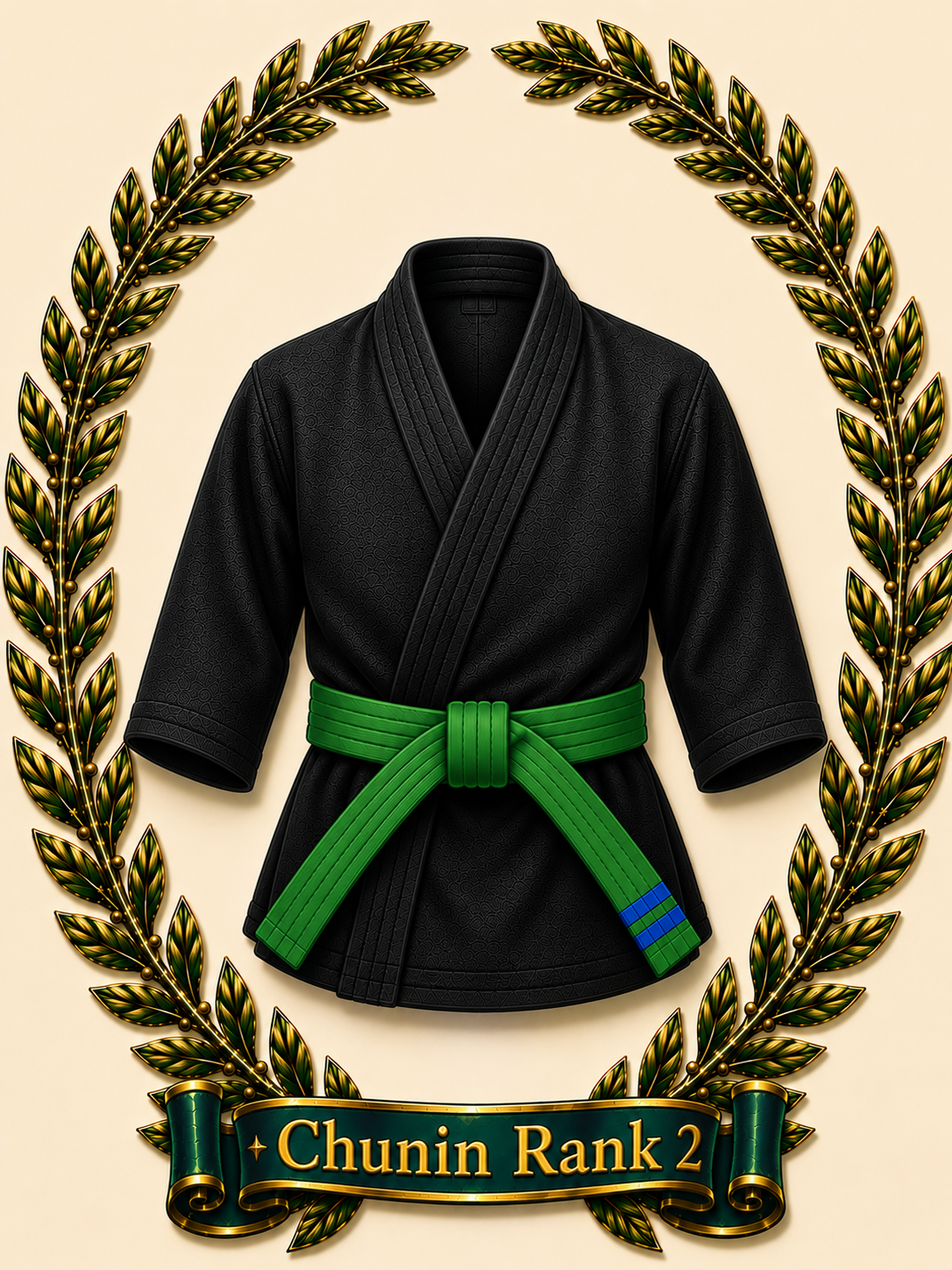
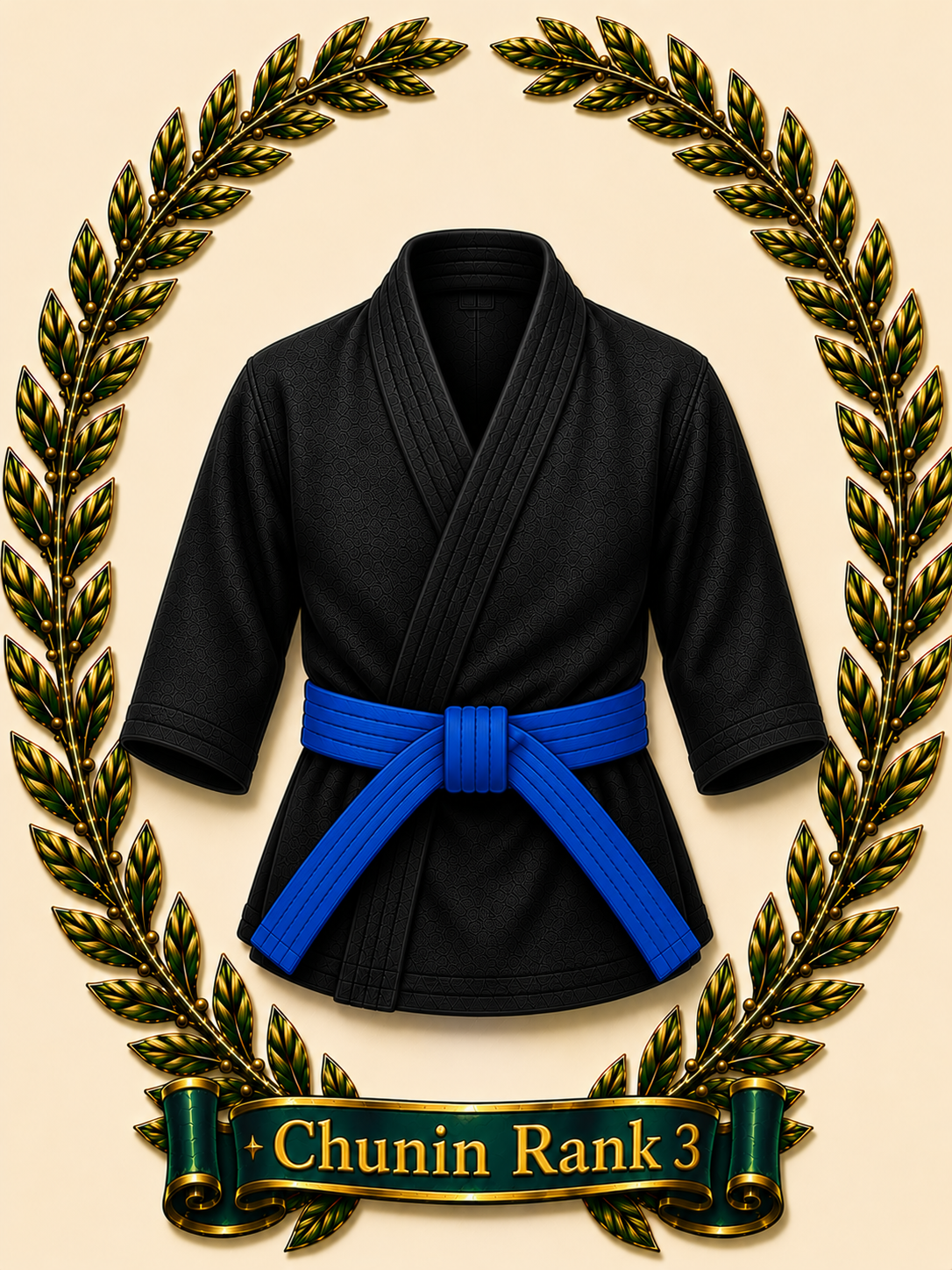
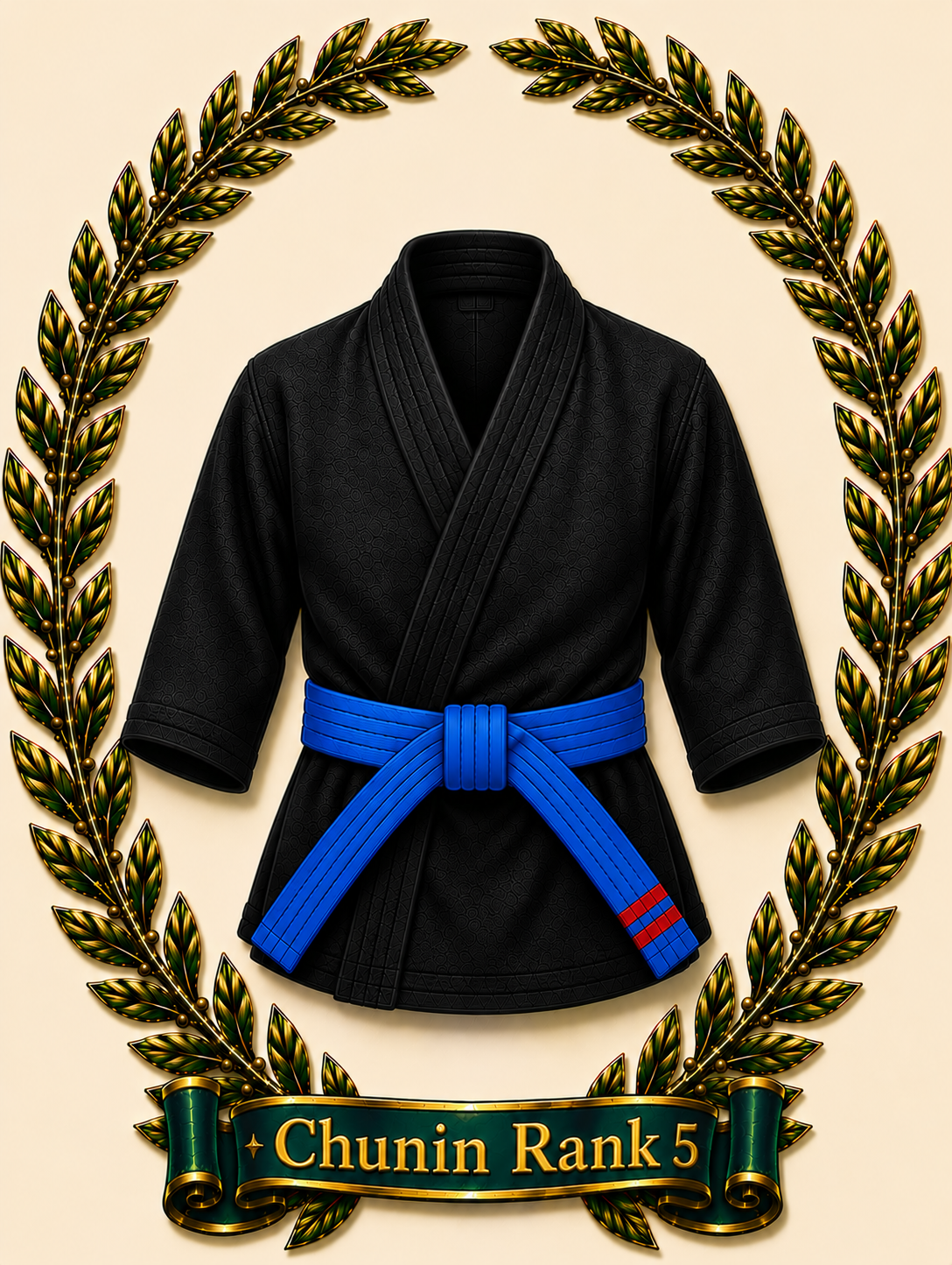
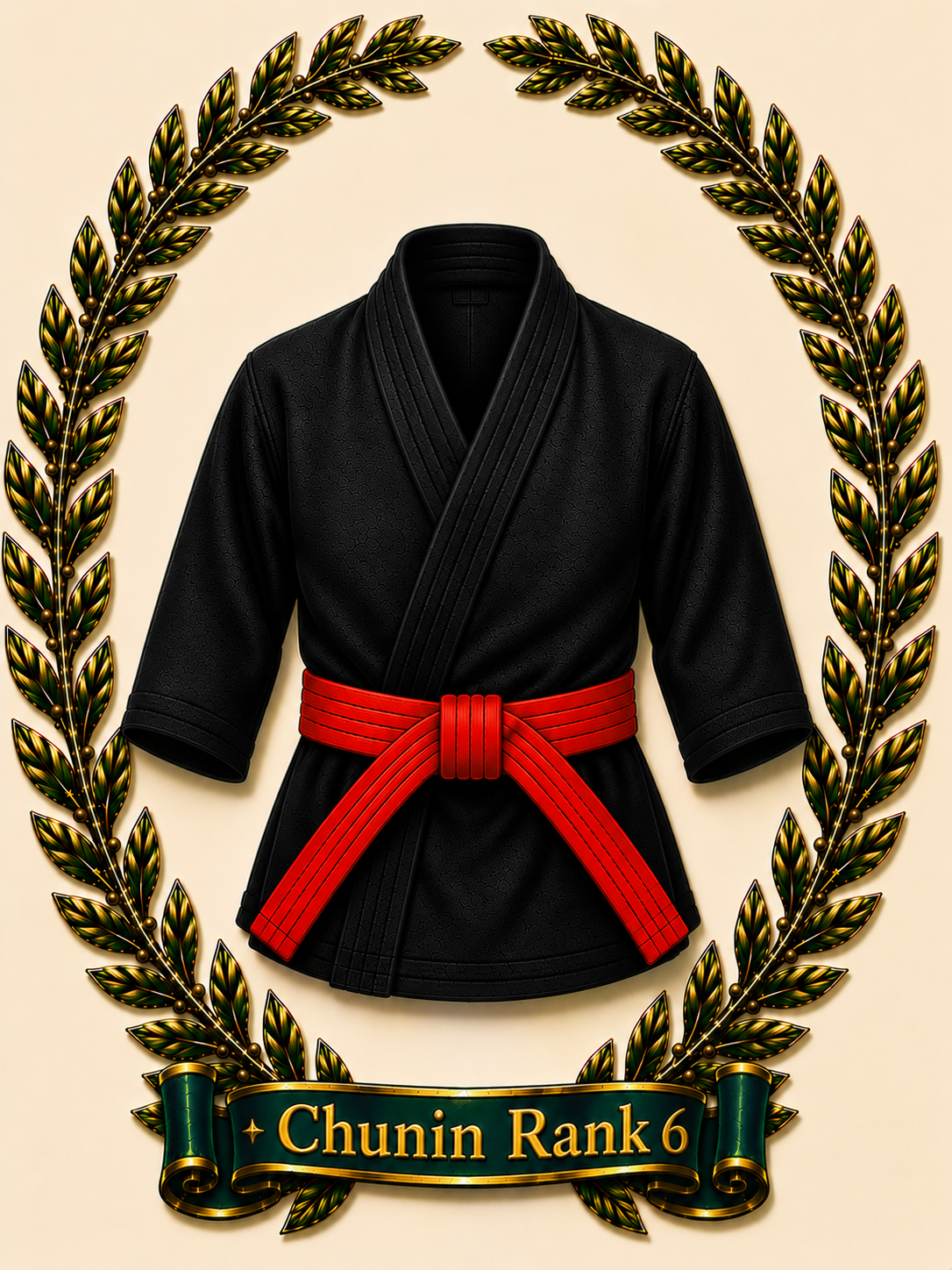
Chunin - The intermediate rank students have made steady progress thorugh their journey and have begin to explore a wide variety of tools that they have found along their journey.
Jonin - Students have completed their journey with Divine Dragon Ninjutsu and are encouraged to establish their journey on their own feet.
Gradings are held twice a year once in the middle of the and once at the end of the year - view our grading costs here
To begin your journey drop us a message here


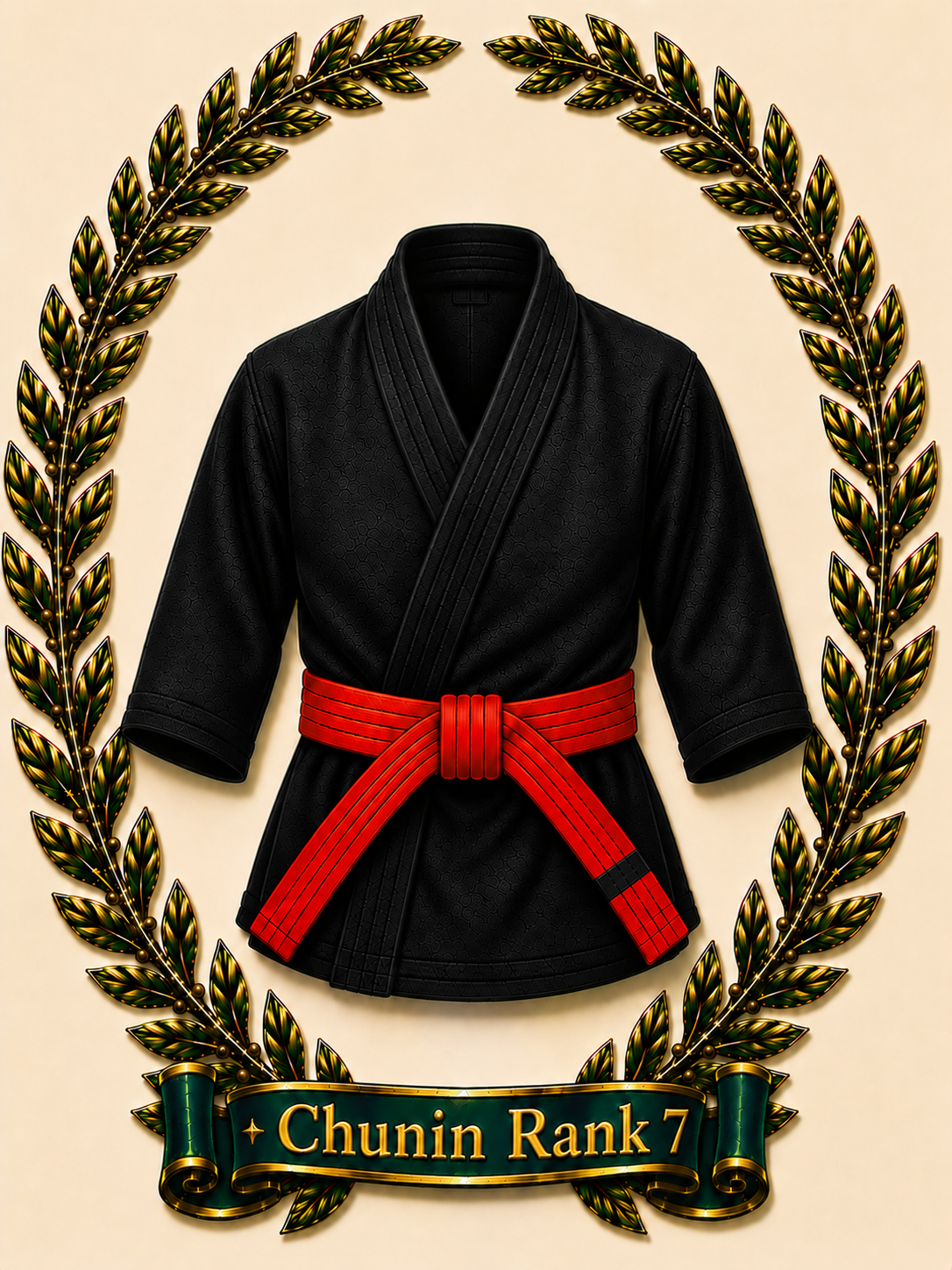
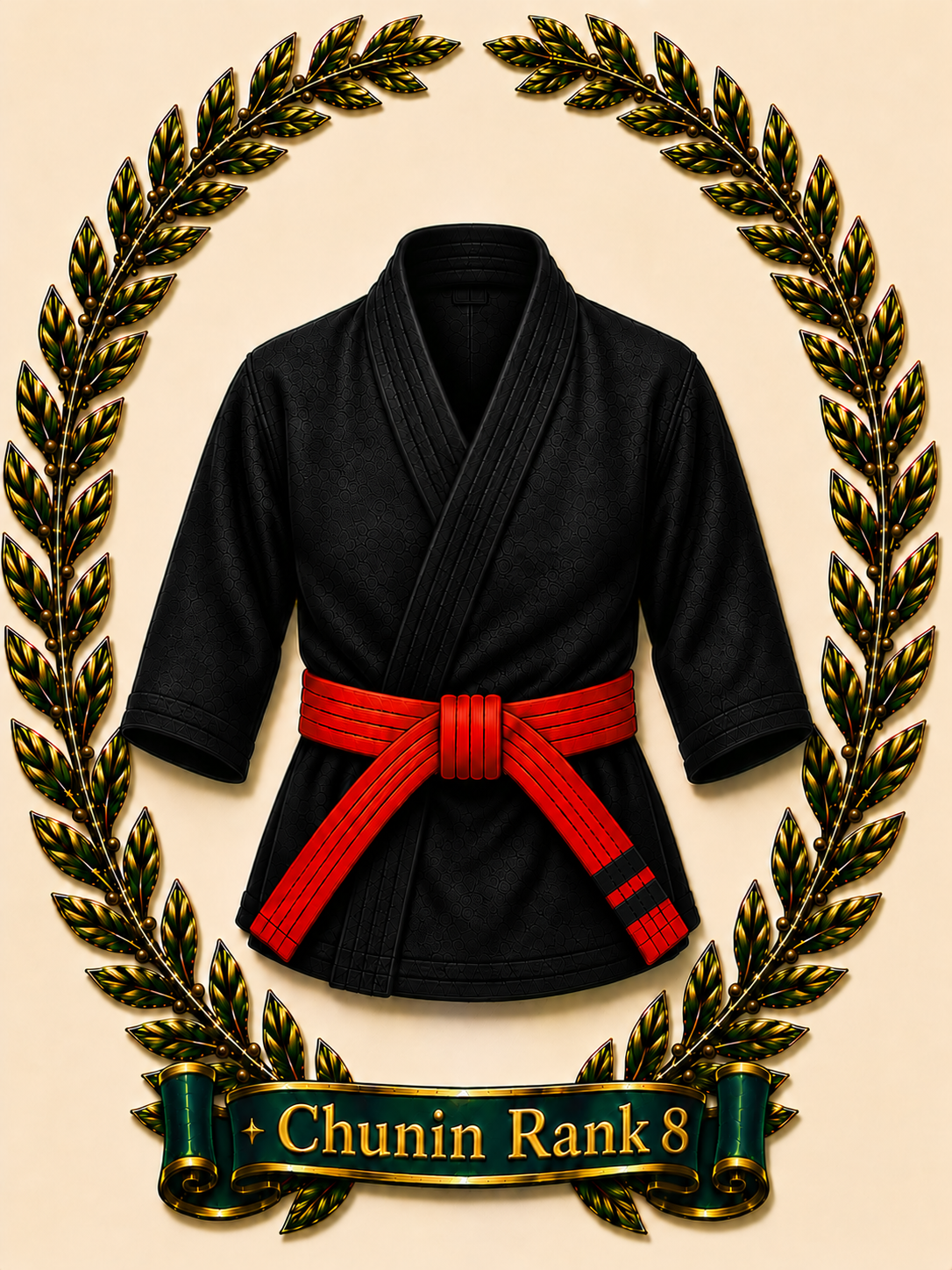

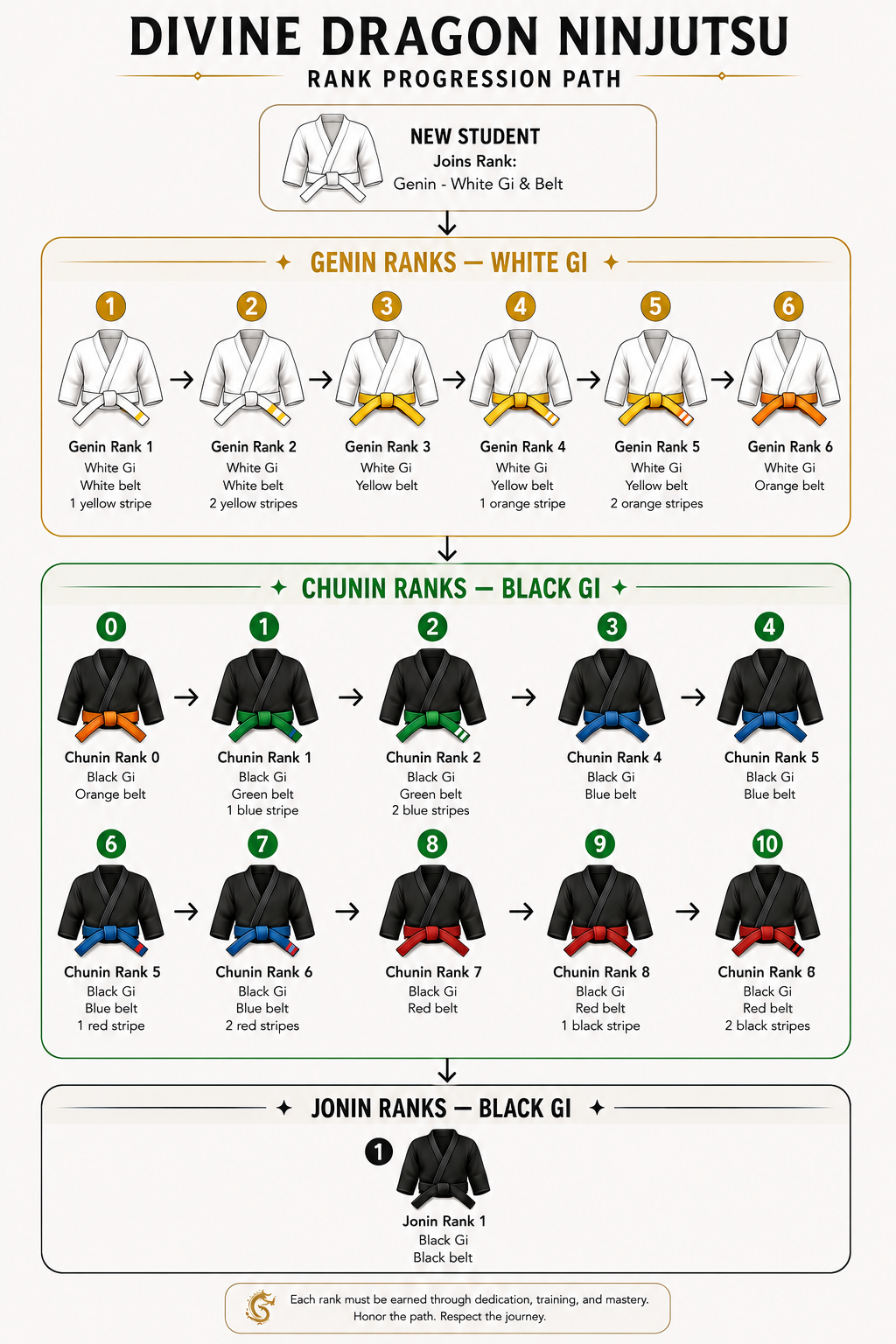
Guardian of 2025
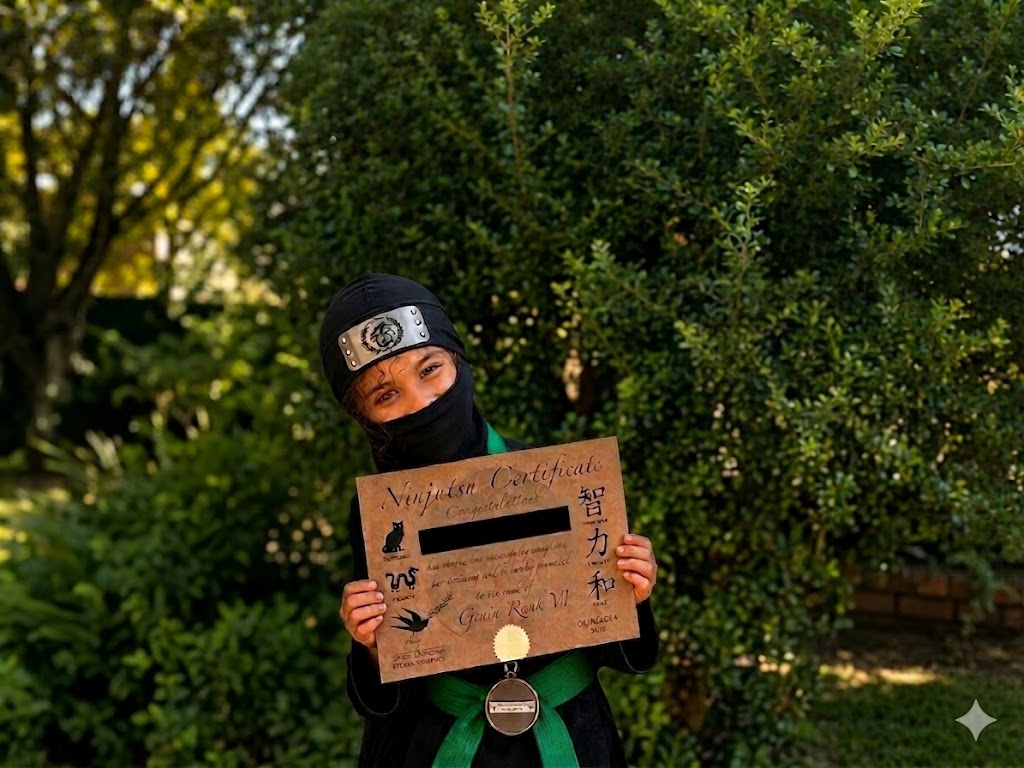
Guardians Character Sheet
Name: DnD1
Age: N/A
Hieght: N/A
Rank: officially promoted to Chunin
Favourite move: